First Experience with Auto Bottom Display Lid Boxes
I still remember the first time I worked with an auto bottom with display lid box. It was early on a chilly morning at a small bakery. The owner, hands dusted with flour, was unpacking fresh muffins. No tape, no wrestling with loose panels — she popped the sides in, the bottom locked by itself, and the lid folded up to reveal the day’s specials. By the time the first customers walked in, the display looked as if it had been prepared hours earlier.
Why This Style Makes Everyday Work Easier
I’ve always appreciated how these boxes seem to take half the work out of packing. The base comes pre-glued, so there’s no wrestling with flaps or hunting for a roll of tape. You just give the sides a gentle push, and the bottom settles into position with a subtle, satisfying shift — the kind you feel in your hands before you even realize it’s locked in place.
Then comes the display lid. Flip it open, and it’s not just a lid anymore — it’s a signpost for your brand. Print a logo, a seasonal message, or even a short product story, and you’ve turned your packaging into a silent salesperson.
Materials That Change the Game
From years of handling boxes, I’ve learned that materials do more than hold things together — they set the tone for your product.
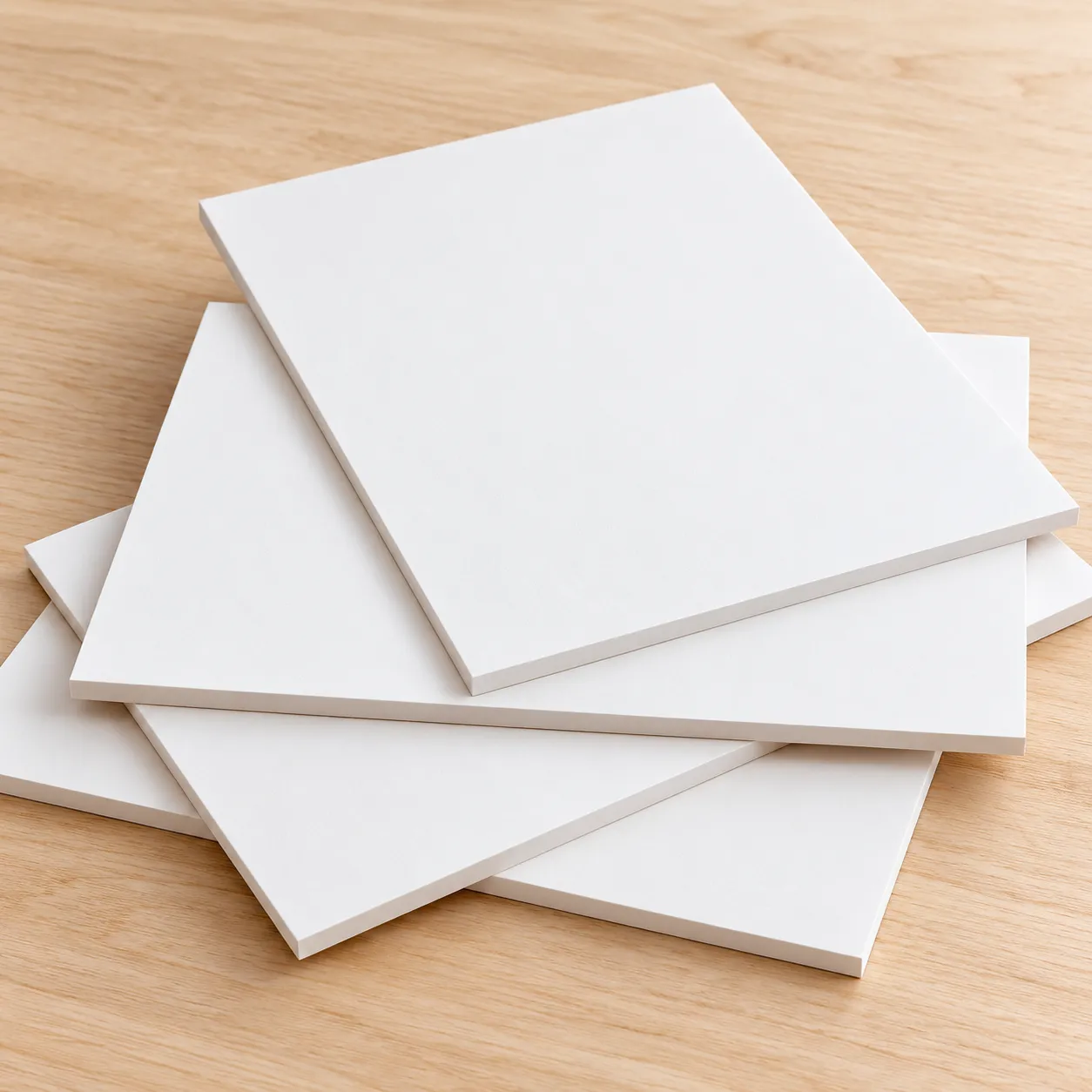
.) SBS Paperboard – Smooth, high-brightness surface that takes sharp printing beautifully. Perfect for chocolates, beauty products, or boutique items.
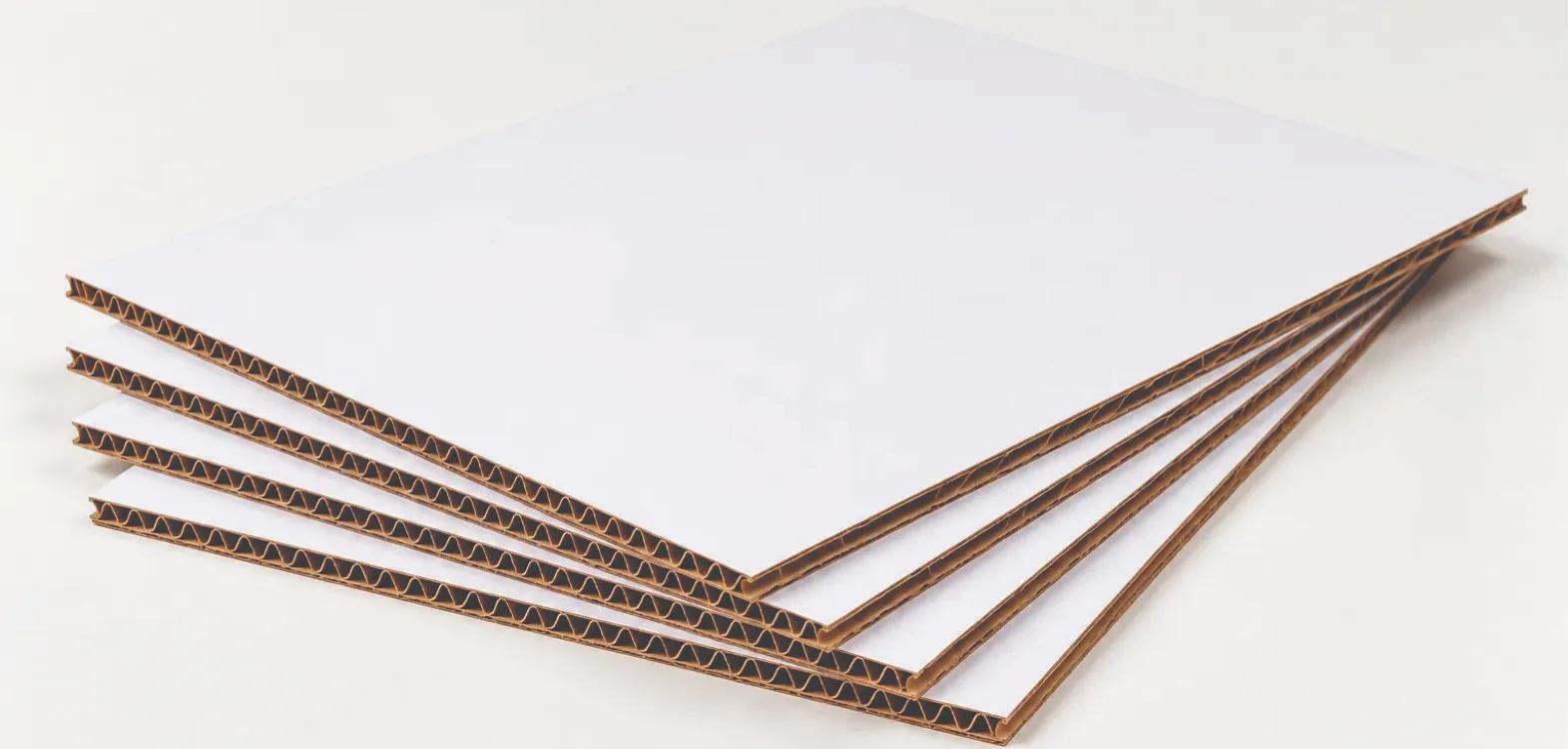
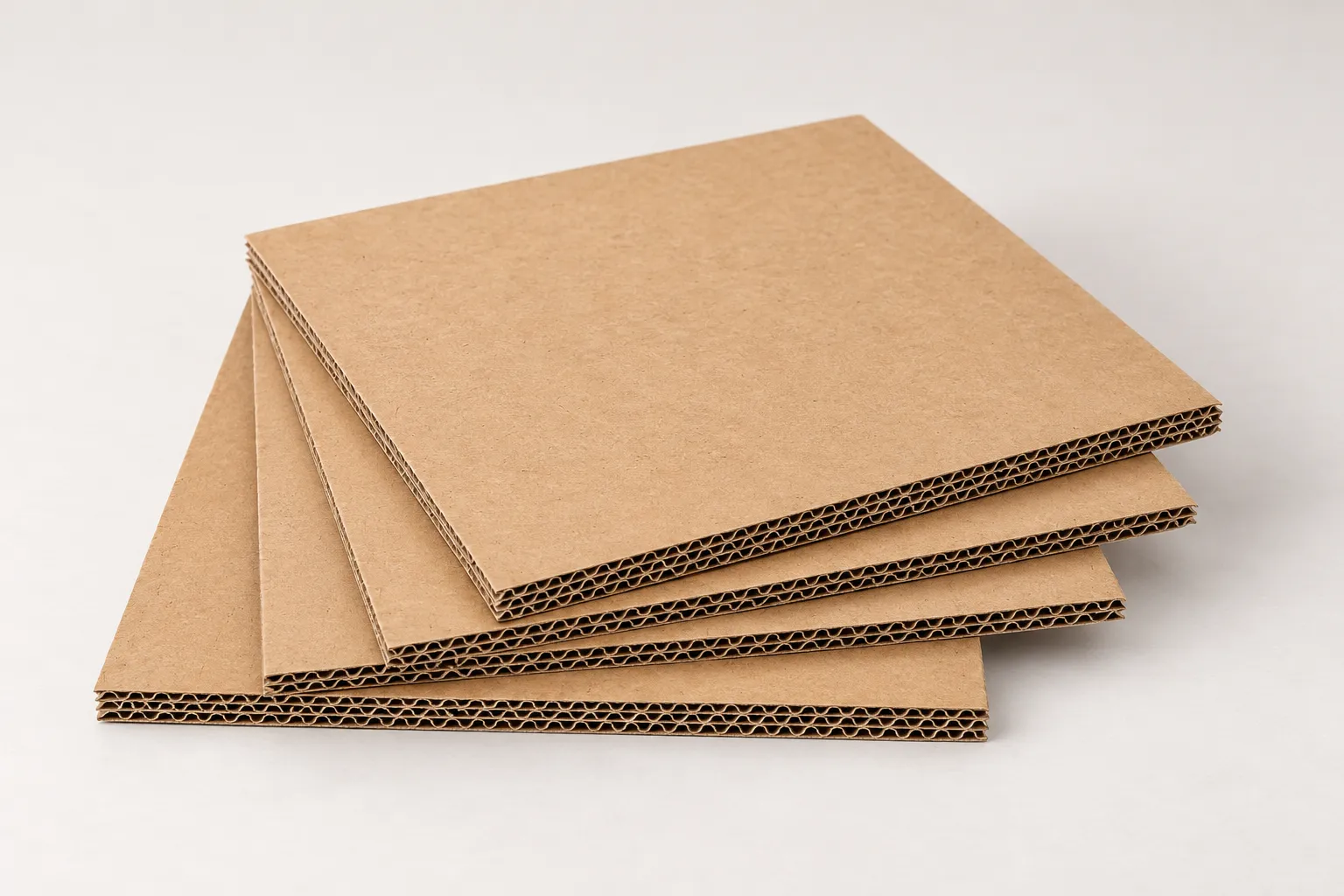
.) E-Flute Corrugated – Thin, lightweight, yet strong enough to handle heavier goods like jars or tech accessories.
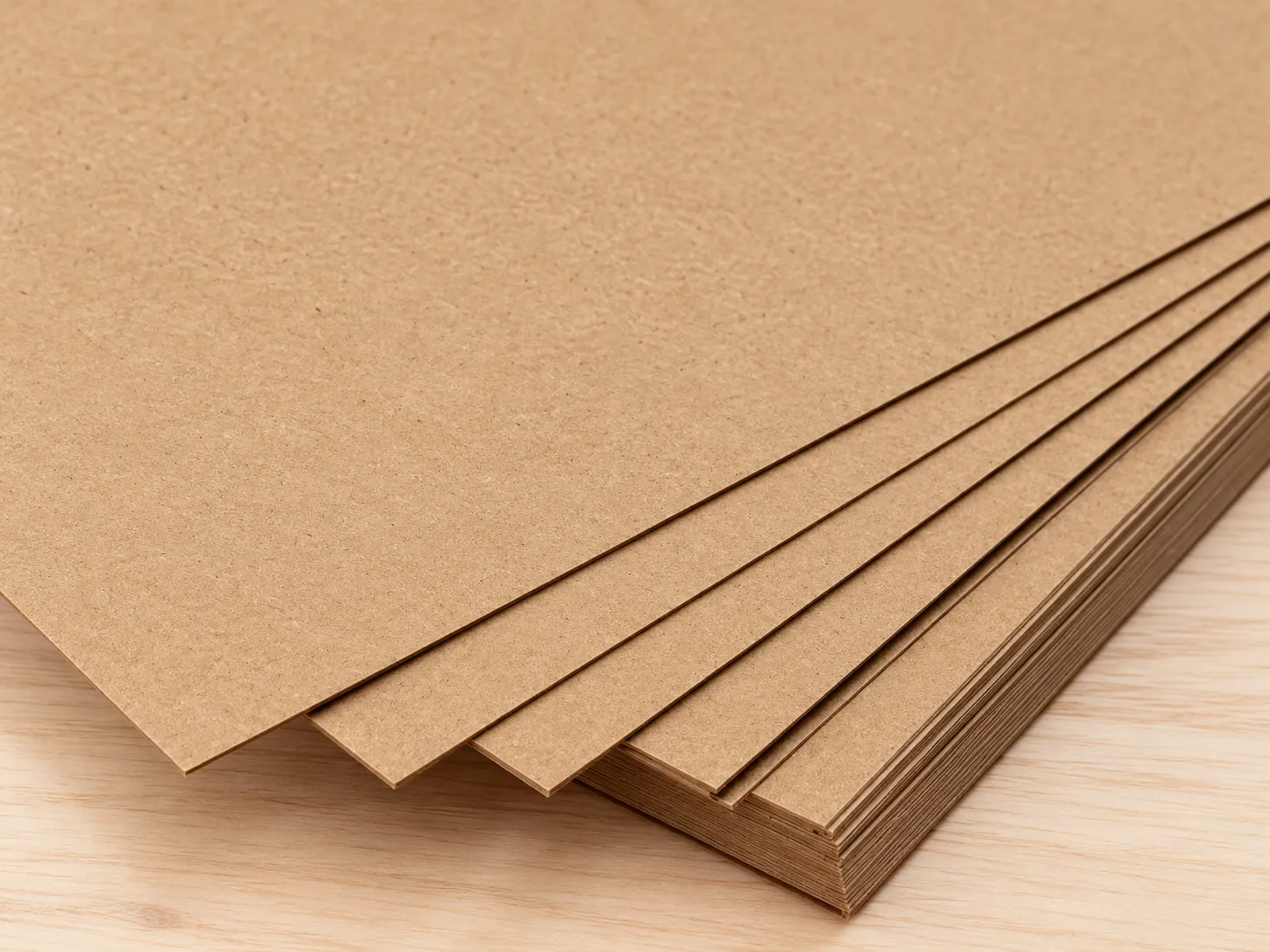
.) Natural Kraft Board – This stock has that unpolished, honest look that customers associate with handmade goods. It’s sturdy, easy to recycle, and its warm brown tone naturally hints at an eco-conscious brand story.
.) Finishes matter too. A glossy coat can catch a shopper’s eye from a distance, while matte feels understated and elegant. Soft-touch lamination? That’s the one that makes people hold on just a little longer.
Real Advantages You’ll Notice
When I’ve used auto bottom with display lid boxes in retail setups, these benefits always stand out:
.) Speed – You can go from flat to fully assembled in seconds.
.) Shelf Presence – The upright lid works like a mini billboard.
.) Durability – Strong enough for repeated opening and closing.
.) Space Saving – Ships flat, so you don’t pay for empty air.
I once tested one by loading it with glass spice jars and opening it twice a day for three weeks. Not a single seam gave way.
Customization That Actually Adds Value
I’ve seen brands get creative with their custom auto bottom with display lid designs:
.) Printing a product recipe inside the lid for food items.
.) Adding a mini window cut-out for a peeks at what is inside.
.) A hint of metallic and gold foiling foiling on the logo can make it shimmer under store lighting, subtly pulling shoppers in.
My best tip? Leave one element as a surprise for the customer to discover after they open the box — it creates a more memorable unboxing.
Who Uses These Boxes (and How)
1) Some real-world examples from my own clients and network:
2) Coffee roasters for packaged beans at farmers’ markets.
3) Handmade soap makers for gift sets during the holidays.
4) Tech accessory brands for compact gadgets at trade shows.
5) Bakeries for seasonal pastries that sell right from the counter.
The common thread? The box does double duty — it stores and it sells.
Cost vs. Long-Term Value
Yes, they cost more than a standard folding carton. But you skip the need for extra display stands, save on setup time, and make a stronger visual statement. In crowded retail spaces, that’s an advantage you can measure in real sales.
A Few Ordering Tips I’ve Learned the strike Way
Measure your product exactly, then add a couple millimeters — tight fits look neat but can make packing a headache.
Match board thickness to your product’s weight.
Always check a printed proof before running a large batch.
Test colors in real store lighting, not just on your monitor.
Bottom Line
If your goal is packaging that’s quick to assemble, strong enough to protect, and attractive enough to sell — auto bottom with display lid boxes tick every box.
They don’t just hold products; they tell a story the moment they’re on display. And in a retail environment where first impressions decide sales, that’s not a small thing.